Deadheading Benefits for Hawaii Plants

Tiare benefit greatly from deadheading

By Heidi Bornhorst

Q: What is deadheading and which Hawaii plants would benefit?

A: Deadheading is where you remove spent flowers to increase blooming and benefit the health of the plant.

Pua Keni Keni comes to mind, as cutting or snapping off the green and orange “balls”, AKA the developing fruit, will increase blooming.

Fruit formation and seed development take a lot of time and energy for the plant, just like a woman being pregnant.

So, if we want more flowers, don’t let the fruit form.  In the case of Pua Keni Keni, the fruit on the stems makes for great décor in a flower arrangement.  You can even string the “balls” into lei, as my akamai lei making buddy Dede Replinger Sutherland does.

Tiare or Tahitian gardenia nowadays needs deadheading.  We didn’t use to have a pollinator for Tiare but now it seems we do, as the old flower calyces (the bottom green part of the flower) don’t fall off after blooming. They now form fruit and it takes about a year to fully develop and form mature seeds inside.

We need to snap off that part on a daily or weekly basis or Tiare plants will have fruit developing and fewer blooms.

Tiare buds make an epic lei, that can last for several days or nights with a most heavenly perfume.  When you pick the buds, pick the calyx too and save yourself some time and energy.

My friend Donna Chuck has a prolific and sunny garden with many flowers for lei. She collects the Tiare buds and stores them carefully in a plastic bag with a damp paper towel in the fridge until she has enough for a special lei for a special someone.

We spent some time cleaning up and deadheading her plants and now she gets way more Tiare flowers for her lei creations.

I first learned the word and horticultural practice known as deadheading when I was an apprentice Gardener at Longwood Gardens in Pennsylvania, in my junior year of college.

‘Go deadhead the Rhodies’, I was instructed by the Horticulturist at Longwood.

I wondered if it was something about the Grateful Dead; and had to ask what was deadheading and what are Rhodies?

Rhodies are Rhododendrons, related to the Azaleas that we grow here. They bloomed massively in spring there and general good garden practice was to deadhead them in early summer, to promote lots of blossoms for the following Spring show.

Some use sharp needle-nose clippers for this and some use sharp well-placed fingers and thumbnails to snap off the spent blooms.

Roses are another plant that will bloom better if you deadhead, or you can just harvest and use every flower.  Or you can let the fruit develop and you get rose hips which can be made into jam or tea.

Some kinds of Hibiscus, especially our fragrant native white Koki`o ke`o ke`o will form seed pods if you let them.  This is how early gardeners made new hybrids as they found the native Hawaiian whites were excellent “mother” plants.

Again, if you want blossoms, pluck off and clean up the old flowers.  Another benefit to this is we have lots of recent alien insect pests like scale and mealybugs that love to hide in the developing seed pods and suck sap and juices from the plants.

Deadheading helps you groom your plants, so you can rub off or cut off the pest-infested parts. Get rid of insect eggs and small sap suckers before they form a full-on infestation.
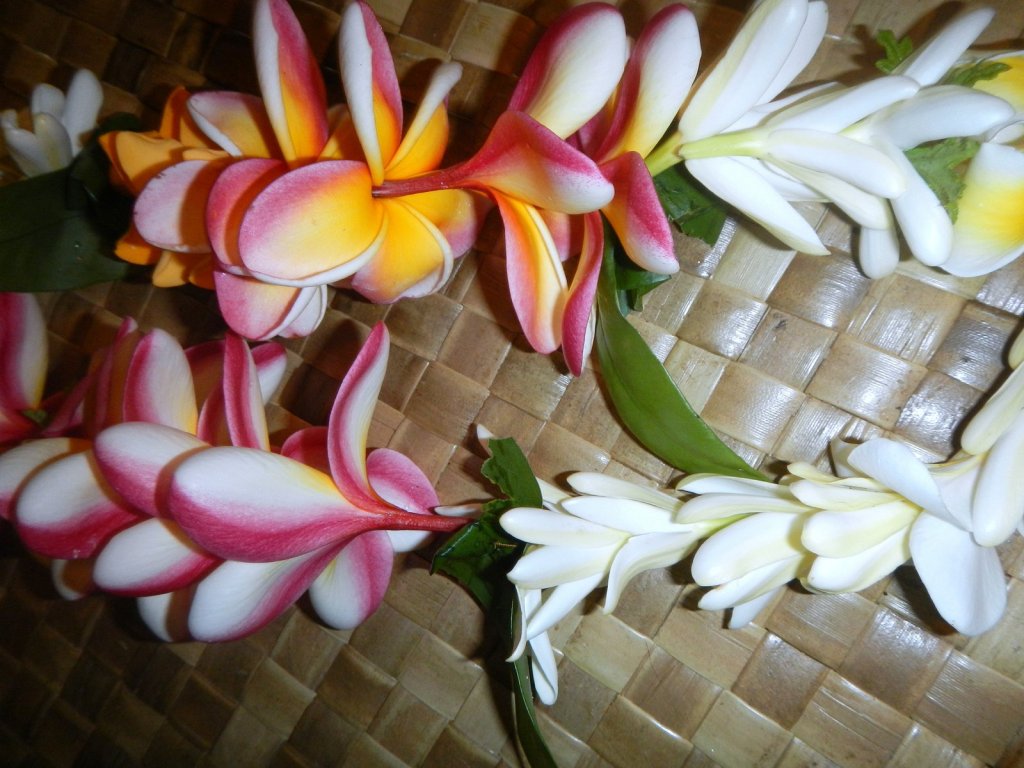
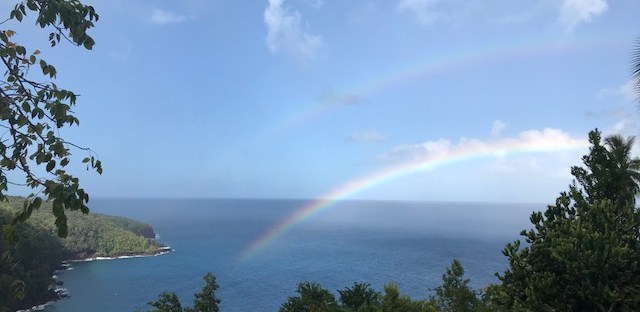
Lei rainbow pua melia tiare buds

Helpful Tips for Beautfiul Landscape

In my experience, people visiting Hawaii are truly interested in our unique plants and wonderful Hawaii gardens. Visitors vote and share with their cameras, with the questions they ask and the notes they take. Did you know that gardens and trees do not depreciate? They just keep on growing. The same cannot be said for buildings, sewers, sidewalks, pools and all the other accoutrements that make up Hawaii’s hotels.

At the Hale Koa Hotel, I researched and planted many new things in its 72 acres of gardens for the enjoyment and benefit of visitors, especially those who returned every year (or twice a year). Gardeners can be valuable customer service representatives and serve as front-line ambassadors. A nice gardener who can answer guests’ questions is more likely to bring new business and happier repeat customers.

Some people may or may not believe we have seasons in Hawaii, but professional Hawaii landscapers know we do.

For me, learning how to properly care for all the amazing plants here in Hawaii is a continual process, so I thought I would share with you some helpful landscape tips.

Tips and suggestions for a beautiful and professional Hawaii landscape

1. Create a highly visual and unique visitor experience by using native Hawaiian plants and well-adapted beautiful exotics in hotel gardens, interiorscapes and landscapes.
2. Plant plants where they belong (salty soil, dry or wet area, shady or sunny).
3. Plant in layers — low, medium, high.
4. Plant shrubs and ground-covers around trees like a “lei,” to protect the trunk and highlight the tree.
5. Group plants that require the same conditions.
6. Understand how big a plant will become and how quickly it will grow.
7. Create and retain shade trees and shady walkways.
8. Understand how hard or easy a plant is to prune.
9. Use ground-covers as much as possible. They save on water, weeding, mowing and edging.
10. Hire a professional from the start and do the job right the first time.

Caring for landscapes using good Hawaii based horticultural and Arboriculture science principles and akamai maintenance practices will save money and beautify Hawaii. That is a great thing for all of us and our visitors

Heidi Leianuenue Bornhorst is a landscaping consultant, gardener trainer and specialty VIP garden guide. She has been a professional horticulturist for more than 33 years. She is also a Certified Arborist. You can contact her via email at heidibornhorst@gmail.com or at 739-5594.


Bougainvillea and Native Hawaiian Gardenias – winter time favorites

By Heidi Bornhorst

I am sure appreciating the gift of Bougainvillea!  Had to make a lot of lei this holiday seasons – Birthdays, an almost 50th wedding anniversary (Masami and Pearl) and hostess gifts for the Hostess with the mostest.

I made flower arrangements for some, but the gift of a hand sewn lei is true aloha.  Yes a florist would have been faster and easier (except for the driving and parking!) but where’s the fun in that? I also know that mine are grown in Hawaii and are chemical free.

With the weird weather and things blooming out of time I did find a few Plumeria, and Pua keni keni.  My na`u or native Gardenia has been blooming like crazy, stimulated by the bountiful rains and the super moons…. I think….  The buds of na`u make for an amazing lei.  I pick them as buds, put them in tiny vases or in the fridge immersed in water, if I really want to slow down the blooming and unfurling phase.

HB-Boug

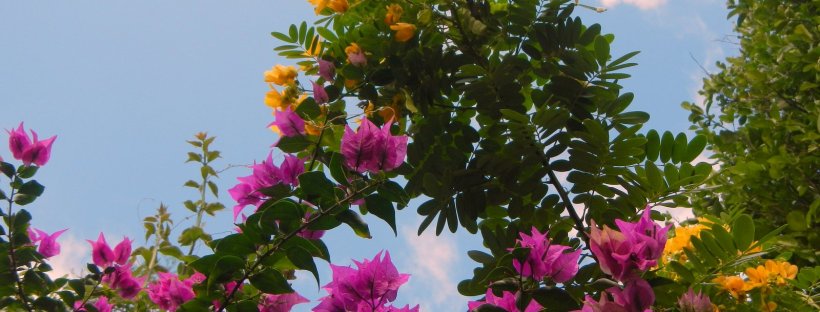
But I didn’t have quite enough, so I looked around my garden and my neighborhood and went AH hah!  Bougainvillea!  This plant is a winter bloomer, the short days of winter stimulate it to bloom (just like Poinsettias) Bougainvillea are native to Brazil and Poinsettias to Mexico…

The bright Bougie “flowers” that catch our eyes are actually colorful bracts, or modified leaves. The true flowers are white and peek out from the bracts.  Collect the flowers in a bag, clean and pluck them and start stringing.  I like to watch recorded surf meets on TV when I string a lei.

It takes me back to small kid time where we would make lots of lei, mostly from Plumeria and bougainvillea, abundant in our neighborhood and easy to string.  The other great thing about Bougies is that they dry well and retain some of their color.

For years we had the purple Bougies, quite thorny and apt to go wild.  Our family had a rule: NO Bougies planted in the ground, after my dad battled a wild thorny purple one for over 10 years, getting poked and mad, and killed our prized rainbow plumeria in the process.  (Always read the labels when using chemicals, or hire a professional)

As a landscape designer I always caution my clients to think long and hard before planting one in the ground.  They are way more manageable in a pot.  I also dislike pruning big wild ones due to the thorns.

If you have a wild hillside and need color – Grow for it, plant them in the ground.  They are great on the freeway embankments and so pretty.  They are also a xeric or less thirsty platn.  I love seeing them in Kona and in Kalaupapa.

We got many new varieties thanks to the vision of Paul Weissich of the Honolulu botanic gardens and the plant connections of the late Donald Angus, in the 1960s and early ‘70s.  Together they collected and legally imported new and wonderful varieties like ‘Miss Manila’ (peach and colored a hybrid from the P.I.) and the double flowered ‘Carmencita’.  Plant sales were wild events in those days, with people lining up to get these new exciting varieties.  Today they are part of the landscape and many don’t know how much effort it took to bring them here.

The na`u or native gardenia, G. brighamii, was brought back from the brink of extinction, by Conservationists and horticulturists.  Today many are grown in gardens and their unique perfume makes for a very nice lei, hair adornment or gorgeous native Hawaiian addition to your garden.  It’s also very important to protect and nurture them in the wild, by controlling weeds, feral animals and wildfire.