Deadheading Benefits for Hawaii Plants

Tiare benefit greatly from deadheading

By Heidi Bornhorst

Q: What is deadheading and which Hawaii plants would benefit?

A: Deadheading is where you remove spent flowers to increase blooming and benefit the health of the plant.

Pua Keni Keni comes to mind, as cutting or snapping off the green and orange “balls”, AKA the developing fruit, will increase blooming.

Fruit formation and seed development take a lot of time and energy for the plant, just like a woman being pregnant.

So, if we want more flowers, don’t let the fruit form.  In the case of Pua Keni Keni, the fruit on the stems makes for great décor in a flower arrangement.  You can even string the “balls” into lei, as my akamai lei making buddy Dede Replinger Sutherland does.

Tiare or Tahitian gardenia nowadays needs deadheading.  We didn’t use to have a pollinator for Tiare but now it seems we do, as the old flower calyces (the bottom green part of the flower) don’t fall off after blooming. They now form fruit and it takes about a year to fully develop and form mature seeds inside.

We need to snap off that part on a daily or weekly basis or Tiare plants will have fruit developing and fewer blooms.

Tiare buds make an epic lei, that can last for several days or nights with a most heavenly perfume.  When you pick the buds, pick the calyx too and save yourself some time and energy.

My friend Donna Chuck has a prolific and sunny garden with many flowers for lei. She collects the Tiare buds and stores them carefully in a plastic bag with a damp paper towel in the fridge until she has enough for a special lei for a special someone.

We spent some time cleaning up and deadheading her plants and now she gets way more Tiare flowers for her lei creations.

I first learned the word and horticultural practice known as deadheading when I was an apprentice Gardener at Longwood Gardens in Pennsylvania, in my junior year of college.

‘Go deadhead the Rhodies’, I was instructed by the Horticulturist at Longwood.

I wondered if it was something about the Grateful Dead; and had to ask what was deadheading and what are Rhodies?

Rhodies are Rhododendrons, related to the Azaleas that we grow here. They bloomed massively in spring there and general good garden practice was to deadhead them in early summer, to promote lots of blossoms for the following Spring show.

Some use sharp needle-nose clippers for this and some use sharp well-placed fingers and thumbnails to snap off the spent blooms.

Roses are another plant that will bloom better if you deadhead, or you can just harvest and use every flower.  Or you can let the fruit develop and you get rose hips which can be made into jam or tea.

Some kinds of Hibiscus, especially our fragrant native white Koki`o ke`o ke`o will form seed pods if you let them.  This is how early gardeners made new hybrids as they found the native Hawaiian whites were excellent “mother” plants.

Again, if you want blossoms, pluck off and clean up the old flowers.  Another benefit to this is we have lots of recent alien insect pests like scale and mealybugs that love to hide in the developing seed pods and suck sap and juices from the plants.

Deadheading helps you groom your plants, so you can rub off or cut off the pest-infested parts. Get rid of insect eggs and small sap suckers before they form a full-on infestation.
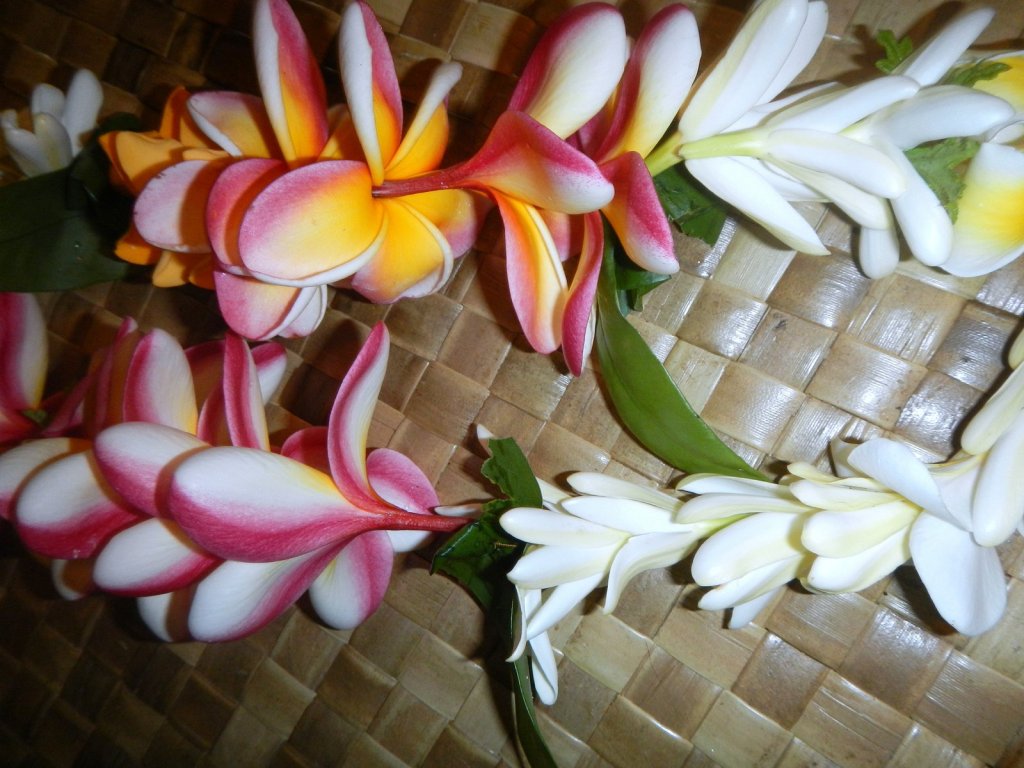
Lei rainbow pua melia tiare buds

Silver Buttonwood trees – Horticultural Legacy at our Botanical gardensHawaii


Q: What are those gorgeous silvery street and park trees?  Some are at Sandys Beach, some Giant ones are on Pa`alea street in Palolo Valley, and some are at Ala Moana beach park.  Please inform us about these

Mahalo, M. Silva, Palolo

A: Silver buttonwood trees! AKA Sea Mulberry, or Button Mangrove.  Conocarpus erecta is the Latin name.  they grow naturally in mangrove swamps and are in the Combretaceae plant family, they have a very interesting horticultural history that I am happy to share.

As you may know they are very wind resistant, xeric (drought tolerant) and salt tolerant.  The bark and gnarly trunks are very attractive, especially as the trees mature.  You can make lovely lei with them.  Keiki can make a fun lei using masking tape and the leaves – easy and gorgeous!


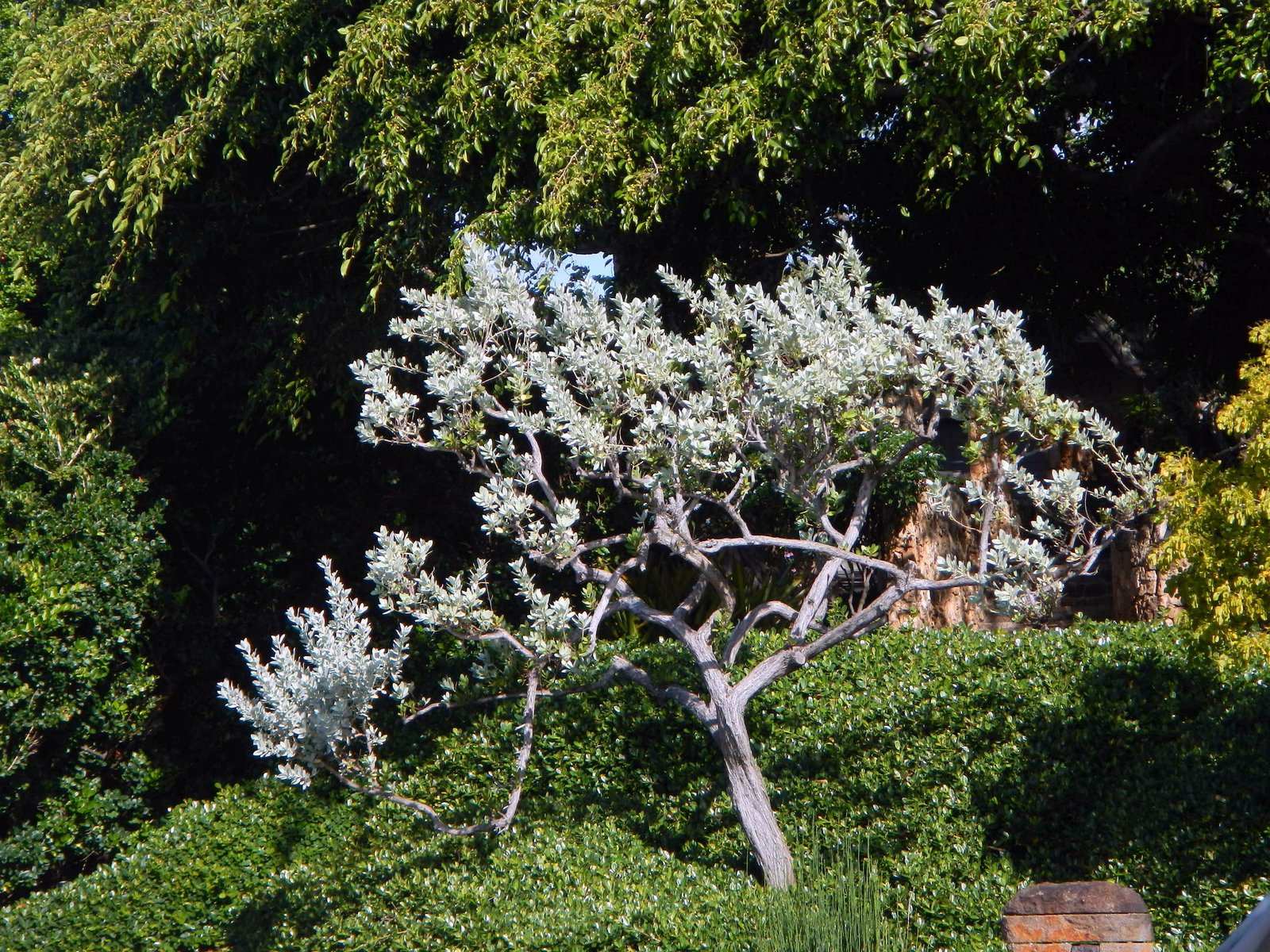
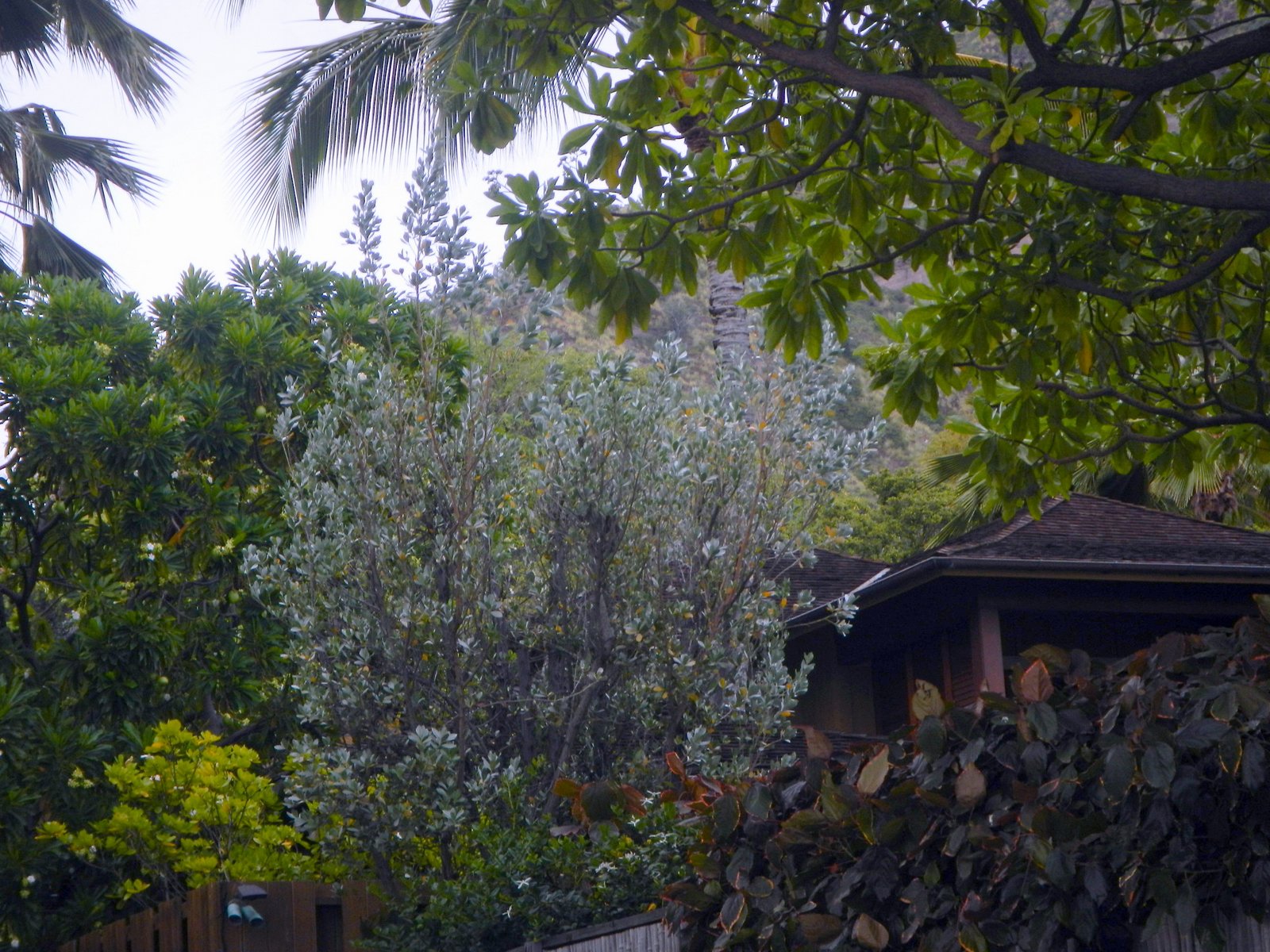
HB- silver bttnwd tree -landscape

Silver Buttonwood amidst Carissa, Rosemary and Wax Ficus


At Lei Day in Kapiolani Park this year (and a HUGE mahalo to all the dedicated City of Honolulu, Parks and Recreation and Honolulu Botanical Garden Employees and Volunteers, who organized and coordinated that major public, free event in our park) we saw some fab lei, using various parts of silver button wood trees.  Some used the fruit clusters, some used the leaves, some crafted the leaves into silver “rose” buds and so on.

Our late mentor Paul Weissich had just become Director of the Honolulu Botanical Gardens (HBG) in 1957.  He was reviewing all of the interesting plants growing in the nursery and lath houses at Foster Botanical garden (FBG).

Weissich found a flat of seedlings.  Some were green and some were silvery.  One keiki was super silvery.


HB-silver buttonwood tree

Silver Buttonwood tree in a salt Drenched, Hot, Dry Diamond Head, coastal Garden; See How it “Lights UP” the landscape?


He selected the silveriest of the silvers and had them potted up into larger individual pots. The best, consistently silver one was selected and more were propagated from air layers. He watched over them and had the expert plant propagators nurture and grow them up. This is a prime example of ‘Horticultural selection’.

He planted a bunch of them at Ala Moana beach park, which was an adjunct Botanic garden back in those days (and still has his legacy of tough, salt tolerant interesting, rare and unusual trees growing).

A mixed silver and green hedge of them is still growing today around the tennis courts at McCoy pavilion.

One of the silveriest was planted at Foster Garden and its gnarly and sprawly and has a growth habit something like an ancient time gnarled Olive tree.  We have been talking about making this an Exceptional Tree.

Over the years more of the silvery trees were grown and planted in beach parks like Sandys and as shady tough street trees in Oahu neighborhoods. They make a tough specimen tree (especially nice when up lit with solar lights for your “Moon Light Garden”), a good hedge or windbreak.

Button woods are native to a broad area from the Bahamas, to the Caribbean coastal tropics and all the way to West tropical Africa.

This is one of the many Horticultural legacies of Paul Weissich who passed away this year at age 93.  He really grew our beautiful and amazing botanic gardens here on Oahu. His legacy is our five Honolulu Botanical Gardens: Foster Lili’uokalani, Wahiawa, Koko Crater and Ho`omaluhia, as well as people like me and my Husband Clark whose career and lives he nurtured, just like that flat of keiki silver buttonwood trees all those years ago!


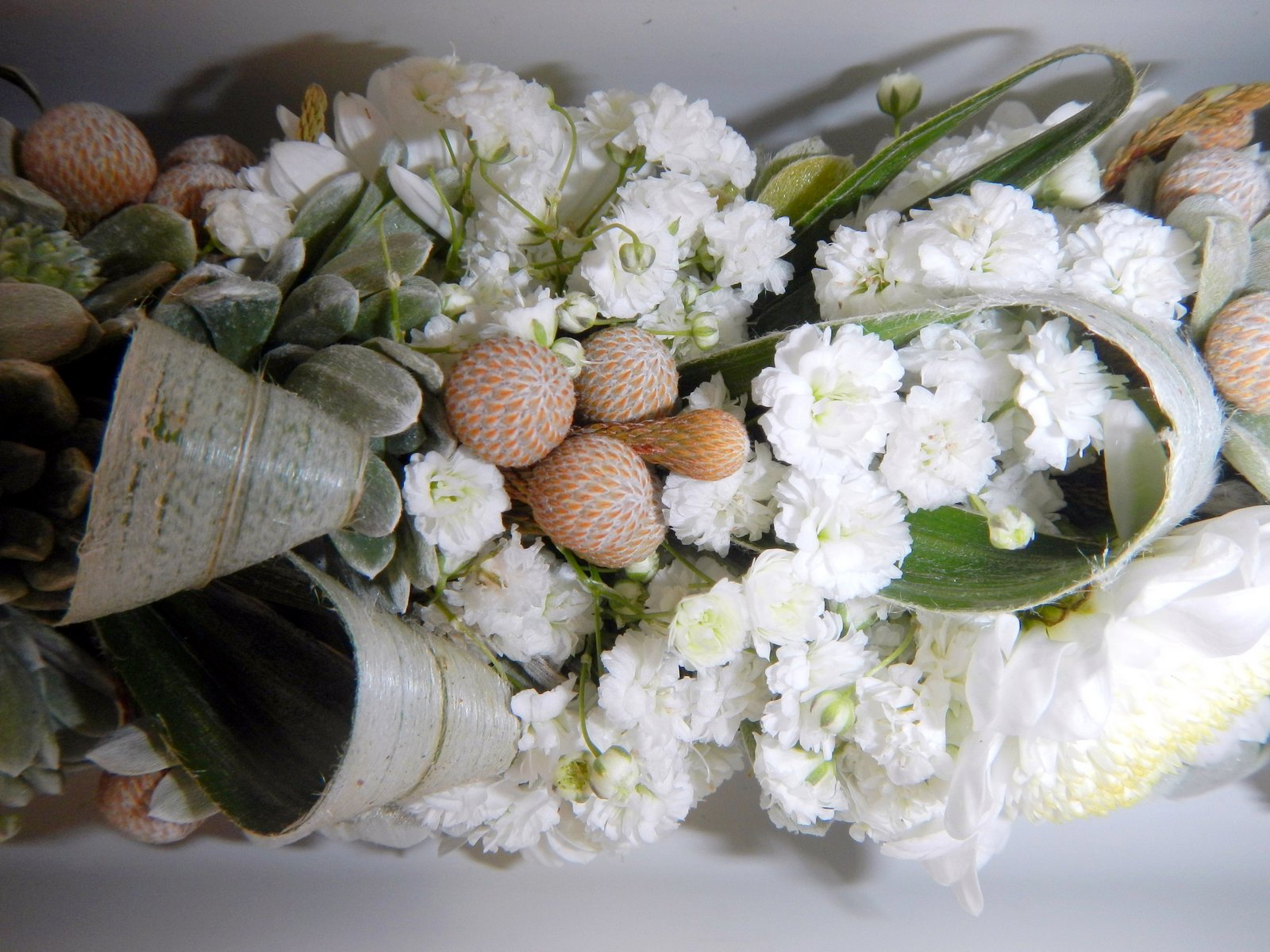
HB-silver buttonwoord lei

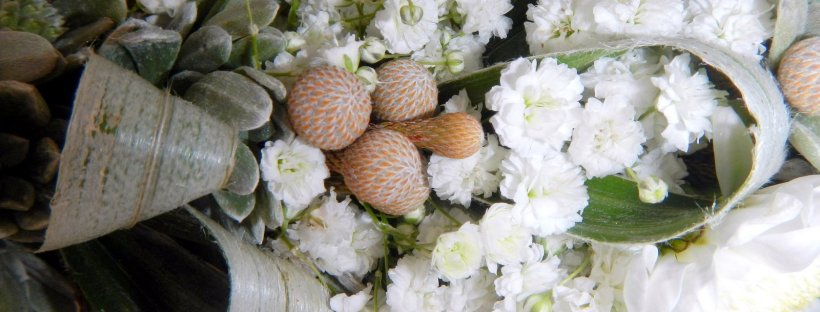
Epic Silver themed Kupuna lei featuring Fruits of silver Buttonwood, Delicate Baby’s Breath, Hinahina and silver leaf.