
The Miyawaki method
By Heidi Bornhorst
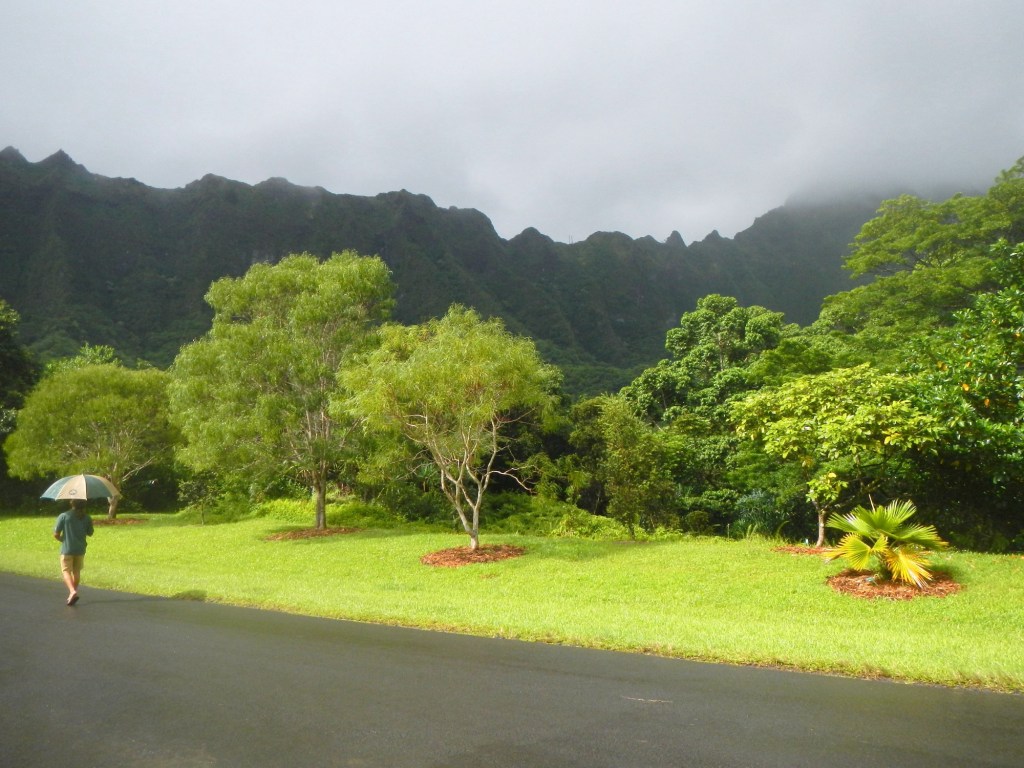
Aloha Hawai`i Gardeners: are we ready to plant and nurture a miniature forest Revolution?
I have wanted to learn about the Miyawaki method for a while. Thanks to generous friends: Chirstine and Pokey, I got my hands on one of the books about the Miyawaki miniature forest method, and plunged in.
The book I just read is called, “Miniature Forest Revolution”, by Hannah Lewis.
Developed in Japan and now spread around the world this is a new and akamai way of forest restoration.
Dr Akira Miyawaki was a Botanist, ecologist, and researcher. He networked with others in Japan and around the world to plant mini climax forests and nurture them.
I have advocated for years, to simply plant a tree, nurture a garden, keep one plant alive, Volunteer at a garden. Go hiking, learn about our Hawaiian forest. Nurture our Hawaiian forests and learn more.
Learn about and nurture our living soils.
This is a new way to do it and is very inspiring.
Trees and forests really do heal our land. Compost really does work. Watersheds can be restored by the forest. Healthy forests of multi layers cover the soil and nourish it.
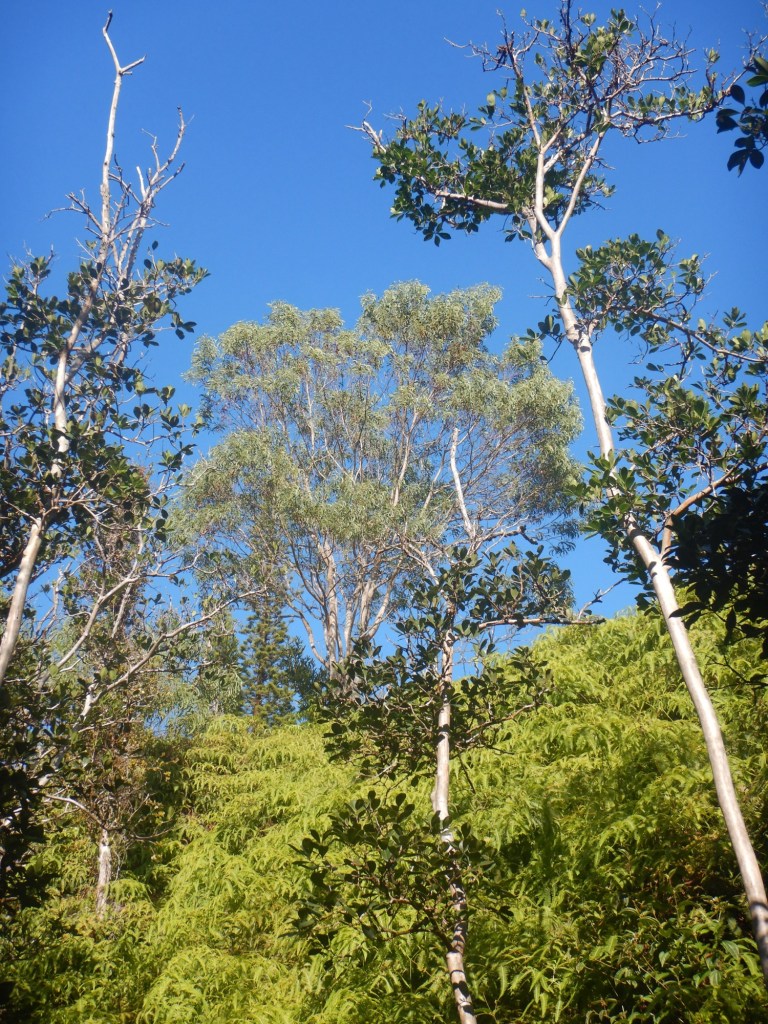
With plants covering soil and adding their leaves to the living soil mix, we have less runoff when it rains.
We like to keep soil alive and where it belongs: on Land
When soil washes into the ocean after heavy rains we have fresh water killing the reef and silt and mud smothering the reef, clouding the water and adversely affecting fish, honu and all the saltwater living life forms.
Healthy forests funnel rainwater down into the ground enhancing our water sources.
There are so many benefits.
To follow the Miyawaki method you get rid of grass and weeds and plant climax species really close together like how they occur in nature.
(Koa and `Ohi`a lehua trees are two Climax species that we do now know how to nurture and grow)
Soil preparation is key. Get rid of weeds and grass and mix in compost. Lots of compost and organic matter gets incorporated into the original soil. Drainage is also very important.
Adding mycorrhizae or native soil from a healthy forest area might be advisable.
Soil tests help determine what soil type and fertility you have.
After all this planning and preparation, the fun begins: Planting the forest.
The plant mix is trees, shrubs, ferns and ground covers, throw in some vines. A different plant mix would be suitable for various soil types, rainfall amounts and elevation. We have so many microclimates and soil types in Hawai`i.
Elevation is a very important consideration for growing native Hawaiian plants.
For example, Koa seeds collected at 5000 feet on the richly soiled flanks of Mauna loa, would probably not thrive in Kapi’olani park. It is partly soil (they do not like sandy salty soil), but even more it’s elevation. Cool night temperatures and other factors
Often lowland plants can grow at higher elevations, but high elevation plants struggle and lower, hotter elevations.
For the first few years you tend the forest, watering, and weeding. The book says you do this for three years. Maybe in Hawaii we need to tend to it longer with watering and weeding and adding to the mulch beds.
Then it can basically care for itself but it’s still good to do some nurturing.
That is what horticulture is: Close monitoring, observation, and careful tending of your plants.
Like in a natural forest, leave the leaves. They nurture the soil.
 Heidi Bornhorst