I asked my friend and great Gardener, Mari who lives Mauka of Sunset beach how bad the shoreline erosion was, and can she access her beach?
NO, she said sadly, It’s still blocked off and there is a steep Cliff, and dangerous drop off, it is too dangerous to walk down to Sunset Beach or Kammieland.
Plus, she continues, there’s so much beach litter and trash everywhere that are a result of “temporary” sandbag burritos and black saran shade cloth.
Along with the liter there are multiple safety issues including rebar, concrete and other structural debris from coastal houses. These houses are now too close to our North shore surf swells, breaking waves and high tides.
BUT, says Mari, there is one upside to this trash and mis-use of our public beach.
My friends and I gather up the black matting erosion control debris that is floating in the ocean. (And yes, its very heavy when waterlogged).
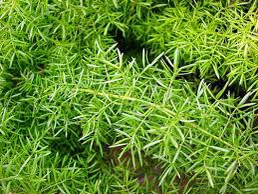
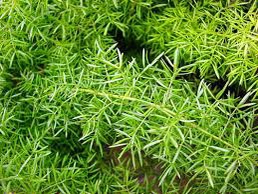
What do you do with it then? We dry it out and SOLARIZE a most hated weed. You know that Asparagus pokey groundcover? Or sometimes called Asparagus Fern?
Asparagus “fern” is not a fern, Asparagus sprengeri is actually in the Lily family and is related ot our edible asparagus. It is very pokey, and if it pokes your bare gloveless hands, it’s kind of toxic.
I used to favor it for landscaping because it is extremely tough, xeric, and a good ground cover in a dry neglected garden.
But as a maintenance gardener I HATE it! Its pokey and the pokes from the minute thorns on the stems, can get infected. (remember to put on your garden gloves!) It has underground storage tubers, like little potatoes that make it a drought tolerant survivor plant and also Supremely difficult to eradicate.
You can dig and dig it out, but if one small tuber is left behind, Auwe! It will all sprout up again.
And it has RED FRUIT, with several black seeds inside. Birds love to find and eat red fruit and then they poop out the seeds everywhere.
AN ALL AROUND PESTY PLANT !!
We were talking about the wave erosion, high tides and overly heated water, and global warming change to north shore and illegals things people are doing..
How’s about the guy pouring concrete and rebar on the beach? Didn’t someone see it and report the Concrete Company?! Really unfortunate and unsafe issues here. Something needs to be done to save our beaches and Kai for everyone. Hard to watch.
Though there are many things we cannot control, the reuse of this beach trash to help eliminate a weedy plant in the garden, this is AKAMAI!
SOLARAZATION is a great way to control weeds without using dangerous chemical herbicides.
Often we use layers of wet newspaper, cardboard or even carpet to smother and solarize weeds, and turf grass where we don’t want it etc. Then after the weeds are safely killed, you can peel them away, restore the soil, and plant useful plants in place of alien weeds.
The black saran or shade cloth which some use as weed controlling ground cover, or in this case to slow down the power of wave erosion, can be used to solarize and kill weeds in our gardens.
This a beach clean up with a purpose!
Mahalo to Mari and her North shore friends who help clean our beaches and then grow good productive gardens.
Interesting
to learn something new from my honey Clark, the other day, after all these
years, fresh kewl stories! And about plants and gardens, my fave !!
We were out
at the Uluniu beach house in Laie.
Colleen and Randy asked Clark and I about growing some plant out there.
We discussed
various plants and what would grow in strong salt winds.
Clark mentioned
Uncle Griff and how he grew things out in Waialua, right on the beach. That nobody else could
grow.
Or his
looked and thrived better than others.
Clark said Griff’s
secret was to wash the leaves. Rinse off
the salt water residue on the leaves.
Daily, lovingly.
So
interesting! And to think about. Rinsing my leaves more now too. It gets bugs
and eggs off
Nothing like
a big rainstorm to clean the air and our plants and gardens …..
Why to rinse
and bathe our plants with Fresh water (WAI)
Salt
water has major nutrients
Rinsing
gets wai in the stomates?
Rinsing
cools us all
Washing
off pests
And
potential incipient pests
What did he grow? Clark?
I remember a
nice big lawn, with a view of the surf and beach, a better pa`ina spot than our
sandy front yard with a bit of grass and a big Hau tree.
I think we
have pics with Elaine, Clarks mom and Iliahi, our cutie poi dog, maybe at Griff’s
house.
Hawaiian
wife named …. Aunty Mary, silver hair in a flip, wore mu`u mu`u elegantly.
Last name ?
Panker! We both remember at the same time.
Is Butch their son? Or in-law? Carpenter lived in Wahiawa, daughter swim team …
Clark would go out there and immediately trim down the Hau tree, and do other heavy yard work to help out and hopefully get invited again.
The good
yard at Crozier loop was out by the street but too hot in the day, perfect for
a wedding like Rachel and Peter’s!
Rinse your Gardenias and `ohi`a lehua
We love Gardenias and so do various pests:
Sooty
mold
Aphids
and scales
Ants
which spread and protect the sap suckers
Thrips,
the little black pests in the blossoms
The “cure” for all of these Gardenia attackers? SOAP and water ! Gardenias are the one plant that I also fertilize with liquid Miracle Gro fertilizer. (use Miracid, the one in the blue box if your soil tends to be alkaline)
Gardenias
are acid loving plants, so they like our red dirt soils and leafy compost too.
When I fertilize them, I add some liquid soap to the sprayer. Dish soap like Palmolive or Dr Bronner’s peppermint if I’m feeling rich. I spray this on the leaves and let it drip to the roots too. (if you see pests on the stems and leaves, they are probably attacking the roots too.)
After
spraying wait an hour or so and you can then wipe the sooty mold off the leaves
with a soft rag. Or you can just let the
soap do its job.
Rinse the
leaves well the next time you water.
Dead, sap sucking pests like scale, mealy bugs and aphids will slough
right off if they have been effectively smothered by the soapy water treatment.
MAY is
usually when Gardenias bloom. I had buds
earlier this year, but the cool LOVELY weather of April must have delayed
them. Green buds for a long time.
Now its HOT
and they are blooming gloriously.
How to have epic Gardenia blossoms:
Pick them daily. (if you leave them
on the plant, the pests will love you, they will have a pa`ina <party with
good food> and they will multiply.
Spray them, and the whole plant with
water before you pick
Take the buds and pua inside and
rinse them
If they have thrips, drip soapy water
on them or dunk them in soapy water
Let the bugs get smothered by the soap
for a few minutes
Then rinse them off
Cut or pull off lower leaves
Display them in Deep, cool water in a
vase
Change the water daily
Rinse the stems and recut the base
Put the gardenia flowers back in cool fresh water
Inhale
and enjoy!
Since
hearing this Uncle Griff rinse your plants and gardens story I have been doing
my early morning or evening watering a little differently.
I look at
the plant or tree and wonder if it will benefit from a rinse.
If it’s hot
I don’t mind getting a rinse myself ! I
think like a gentle rainstorm, or sometimes like a rainy windy storm is needed.
I have been rinsing my `Ohi`a lehua which are full of blossoms. I rinse the flowers and know it will benefit the birds and bees that visit and pollinate the flowers. Bees get thirsty too! `Ohi`a are from rain-forests so the more wai the better.
As I rinse and spray off my banana leaves, I visualize the washing away of any leaf hoppers. I also remind friends and neighbors to get rid of their clump thoroughly if it gets this disease. It’s like getting a measles shot, it protects all of our community of banana growers.
Rinse your mock orange and Bougainvillea after a kona storm.
I learned
this one while working as Honolulu Zoo Horticulturist. I forget from who, maybe my working foreman Seiko
Tamashiro, or epic Retiree and Volunteer, Tony Kim?
A nice big
fat thick, and very xeric Mock orange hedge surrounded the whole zoo. Periodically
we would have to trim it, and this was a big process involving the whole crew,
trusted CSSP workers and scaffolds. It
took at least a week.
There was a big drought and we were forced and encouraged to save water. I read the night logs, some of my staff worked at night as security, food prep and irrigators. One guy Bob would turn on the sprinklers for the mock orange hedge and run them for several hours. I told him, “Bob, you are watering the ocean!”
What?
Bob, we have
sandy soil, by running those sprinklers for hours you are wasteful. So please,
just about 20 minutes will be fine for the hedge!
‘OK boss
whatever you say’ he said with some skepticism
(what did a 25-year-old with a nice fresh B.S. degree know, right?!!)
Well, we
reduced our irrigation budget significantly and the zoo gardens were still
green enough and healthier. Someone even wrote a letter to the editor about how
great the grounds looked!
Mock orange
is in the citrus family and it comes from driest India. Super deep and wide spreading, tough roots and shiny leaves help make it
drought tolerant. They also come from monsoon areas so after a big rain we see
fresh growth and fragrant blossoms. This
is how they would respond when the monsoon rains come to India.
Somewhere
along the way in this discussion, came the fact that mock orange is sensitive
to the sometimes strong salty kona winds we would get at the zoo. When those came we deployed the sprinklers to
wash all the leaves.
Same is true
of Bougainvillea. We didn’t have a lot
at the zoo, but I had tons of lovely roof planters of Bougainvillea ‘Miss
Manila’ at the Hale Koa hotel. These we would diligently rinse leaves after
kona wind storms.

 Heidi Bornhorst